

The prevalence and effects of these personality disorders, their co-occurrence with AUD through the lens of several current models, and the treatment and overall implications of these complex co-occurrences are discussed. Another psychotherapy that has been developed for the concurrent treatment of PDs and SUDs is Dual Focus Schema Therapy (DFST; Ball, 1998; Ball & Young, 2000). Unlike DBT-S, DFST was developed for the treatment of a https://ecosoberhouse.com/ broader range of personality disorders that are often comorbid with SUDs and AUDs. This 24-week manual-guided individual cognitive behavioral therapy integrates relapse prevention techniques while addressing chronic, maladaptive personality functioning and coping styles.
Borderline Personality Disorder Doesn’t Have to Control Your Life
This treatment modality can be used in psychotherapy, family therapy, group therapy, or traditional A.A. Intensive longitudinal studies are critical to assess variations in course and prognosis and can potentially provide indicators of co-occurrence and Drug rehabilitation severity. However, even with this great accomplishment, it’s also important to remember that this is just the beginning.
Define Treatment Goals

The emotional bombshells and the is alcoholism curable impulsive actions inevitably lead to constant conflicts, misunderstandings, and drawn-out blowup arguments with family, friends, and partners. One of the most significant issues is how alcohol just compounds the already intense emotional volatility of BPD. People with BPD experience emotions in such an extreme, rapidly shifting way to begin with.
Thriving Amidst Co-Occurring Borderline Personality Disorder …
Experts now speculate that the satisfaction of unmet attachment needs may make alcohol and other substances attractive to people with BPD. Alcoholism and mental health disorders often go hand-in-hand, and an increasing number of experts are now researching the complex interplay between the two. As the awareness regarding the relationship of alcohol with more prevalent psychiatric issues like depression and anxiety continues to expand, most experts leave other disorders like BPD out of the picture. Unfortunately, most people with BPD are deemed manipulative, attention-seeking, and childish because of how they act. The rapidly changing moods they experience can also make others feel as if they have different personalities. Due to this reason, many people find it challenging to live with, get into a relationship with, or do business with someone with BPD.
Future Considerations for Pharmacotherapy of BPD and AUDs
If your provider believes you have alcohol use disorder, they may also order lab tests and imaging tests to get a better picture of your physical health. AUD can lead to organ damage, elevated liver enzymes, and other medical conditions that must be factored into your treatment plan. Someone with BPD may be less likely to think through the consequences of problematic drinking behaviors like binge or heavy drinking. Without weighing the risks of alcohol misuse, such as addiction, injuries, health problems, or hangovers, a person may not hesitate to drink excessively. People with borderline personality disorder can be consumed with fear of abandonment, often worrying that their partner or other loved one will leave them.
- Inpatient facilities and group therapy also provide a sense of belonging, which someone struggling socially will appreciate.
- Contact us to learn more about our innovative program and how we can help you or your loved one on the path to healing.
- In reality, BPD is one of the least understood common disorders we have in society, and the factors that influence it can vary greatly from person to person.
Behavioral
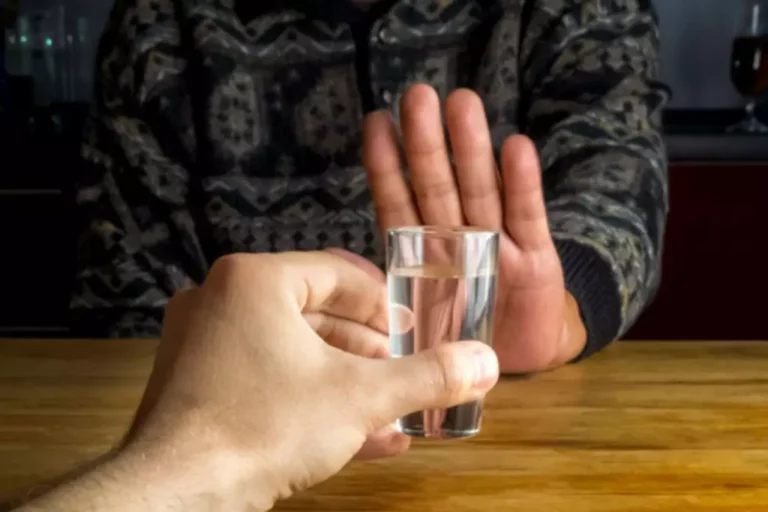
Finding out why this is and what options there are around treatment means that people are in the best place to support themselves and others close to them. Because alcohol is an accessible means of dulling emotions and helping people with BPD cope in the moment, it commonly becomes habitual. Having a drink now and then to deal with difficult situations can, and often does, escalate into having a drink every day. Many people with BPD self-medicate with alcohol to deal with situations and emotions that are too big for them. As a temporary escape from reality, which can be terrifying for those expecting rejection at all times, regular alcohol use can quickly become an addiction.
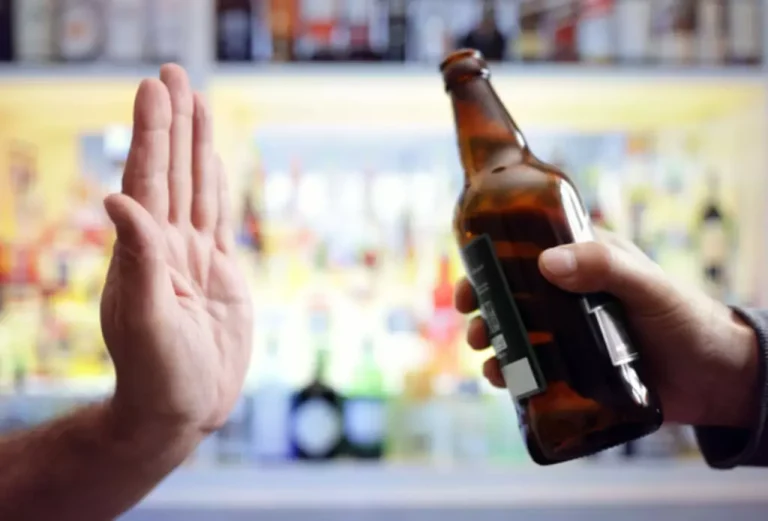
Difficulty Regulating Emotions
Factors like how an individual was raised, their community, and their history of childhood trauma are essential to consider in this regard. People with BPD and alcohol use disorder rely on alcohol as a coping mechanism. Be it day-to-day problems, stress, or other emotions, both are likely to use alcohol in excessive amounts, which ultimately leads to dependence and tolerance. The intense emotions that a person with BPD feels are not only their own. For example, if they see someone in pain, they may replicate their emotions as if the pain is their own. While this makes it easy for the patient to connect with others, it may get them attached to others too quickly, often in an unhealthy way.
Considerations and future directions for treatment
- Fifty-nine patients (29 PETAD, 30 control) completed the follow-up assessment and were included for analyses.
- All are capable of having severely detrimental effects on interpersonal relationships and the person’s quality of life.
- These are two separate conditions that occur independently on one another.
- It teaches people with BPD to recognize and understand social cues, patterns, and social behavior.
- Many outpatient facilities are unable to provide the intensity of care that an inpatient facility can.
However, individual success outcomes may vary depending on various factors, such as duration and severity of alcohol consumption, severity of personality changes, and how willing a person is to commit to long-term treatment. Understanding how alcohol affects the human brain is necessary before learning how to pick up personality changes in alcoholics. Alcohol is a depressant of the central nervous system, which means that it can inhibit neural activity. Its short-term use can reduce anxiety and inhibitions while promoting feelings of euphoria and relaxation. Chronic alcohol abuse, on the other hand, damages neurons, specifically in the prefrontal cortex area, which controls planning, emotional regulation, and judgment. The overlap of symptoms between people with BPD who have turned to alcohol addiction, and, conversely, people who have an alcohol addiction that have developed symptoms of BPD, makes it harder to be recognized as a legitimate disorder.

Get addiction Help now

inline_cta_one Genetics – BPD is about five times more likely to occur if a person has a close family member (first-degree biological relatives) with the disorder. Many people with BPD report experiencing traumatic life events, such as use or abandonment during childhood. Others may have been exposed to unstable relationships and hostile conflicts. And, many people with a history of traumatic life events do not have BPD. Brain Factors – Studies show that people with BPD have structural and functional changes in the brain, especially in the areas that control impulses and emotional regulation. More research is needed to understand the relationship between brain structure and function and BPD.